
Leaflet distribution lets businesses and groups share info with people right in their neighborhoods or cities.
By handing out printed leaflets, companies can quickly reach local customers or clients with news about their products, services, or events.
This simple method puts a message right into the hands of people who live or work nearby.

There are lots of ways to give out leaflets: door-to-door delivery, street handouts, or targeted drops in certain neighborhoods.
Good planning and bold, eye-catching designs make leaflets more likely to get noticed and actually read.
Knowing exactly who you want to reach and where to deliver makes a campaign work a lot better.
Key Takeaways
- Leaflet distribution puts printed messages directly in the hands of the local audience.
- Selecting the right method and design helps boost reader attention.
- Setting clear goals and tracking results measures success.
What Is Leaflet Distribution?
Leaflet distribution means delivering printed leaflets to people to promote products, services, or events.
Businesses use this tool to reach specific neighborhoods or groups with clear, targeted messages.
Definition and Key Concepts
Leaflet distribution is all about handing out or delivering printed leaflets straight to homes, businesses, or individuals.
A leaflet is just a single sheet of paper with info for advertising—usually small enough to fit in your hand or a letterbox.
Key parts of leaflet distribution include:
- Design: The leaflet needs to be eye-catching and easy to read.
- Targeting: Distributors pick out specific locations or audience groups.
- Delivery Method: Common methods are door-to-door, hand-to-hand, or placement in public spots.
Businesses use this approach for local ads—think restaurant menus, store openings, or events.
Role in Modern Marketing
Leaflet advertising still pops up in lots of industries, even with all the online marketing out there.
It’s especially handy for local businesses that want to get people talking nearby.
- Direct Contact: The receiver gets a physical reminder of a brand.
- Affordable: Printing and delivery costs can be lower than other ads.
- Flexible: Leaflet campaigns can be adjusted or repeated as needed.
Leaflet distribution works well when paired with other promotional stuff like online ads or posters.
Local businesses often use it to support special offers, new openings, or seasonal deals.
Leaflets vs. Other Promotional Materials
Leaflets aren’t quite the same as brochures, flyers, or posters.
They’re usually smaller, single sheets focused on one main message.
| Type | Format | Typical Use |
|---|---|---|
| Leaflet | Single sheet paper | Quick promotion, offers |
| Brochure | Folded, several pages | Detailed info, business overview |
| Poster | Large, displayed | Public announcements |
Leaflets stand out because they’re cost-effective, easy to make, and fast to distribute.
Unlike digital ads, they don’t need people to go online, which makes them a good pick for reaching folks in a specific area.
Types of Leaflet Distribution Methods
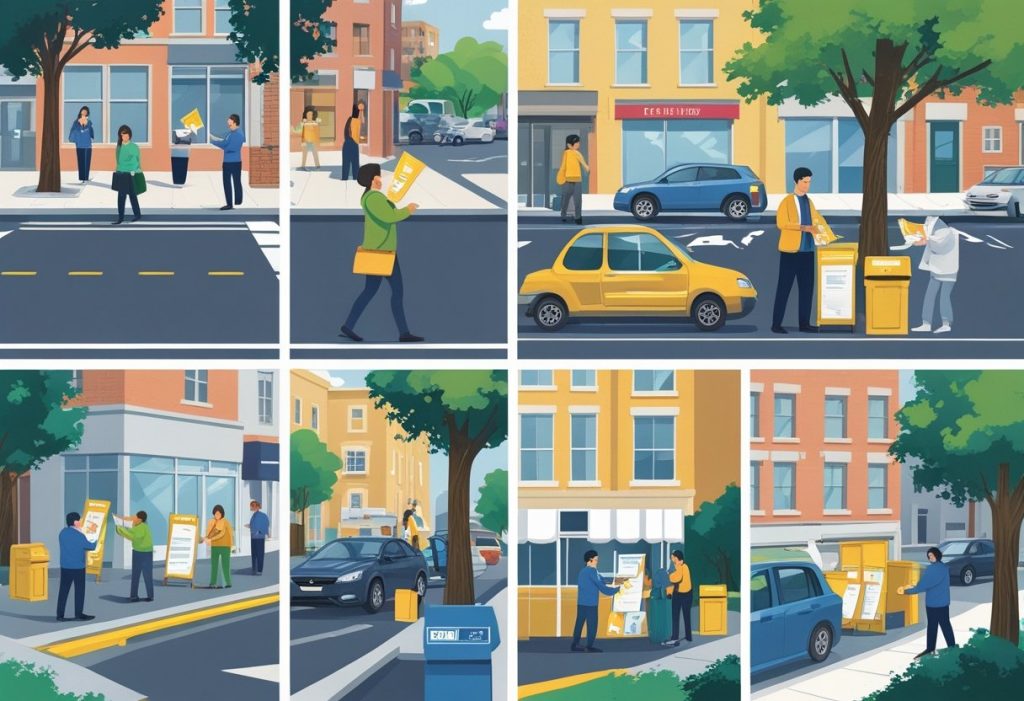
Businesses have a few main ways to get leaflets into people’s hands.
Each method targets different audiences and works better or worse depending on the campaign’s goal.
Solus Leaflet Distribution
Solus leaflet distribution means one leaflet gets delivered to each home at a time.
No bundling, no other flyers—just your message.
This method puts all the focus on a single message and usually gets a higher response rate than shared approaches.
Solus delivery is great for local campaigns that want to stand out, like a new store opening or a special event.
It can cost more than shared options since each leaflet goes out on its own, but it lowers the chance your leaflet gets tossed aside with others.
It’s best for time-sensitive offers or when you really want to make an impact.
Shared Leaflet Distribution
Shared leaflet distribution is when several leaflets from different companies go out together in one bundle.
Homes get a package with multiple ads inside.
This approach cuts the cost for each business since they split the delivery fee.
It’s popular for brands with smaller budgets or when you want to cover a big area.
The downside? Less visibility, since each leaflet has to compete for attention in the stack.
If you go with shared distribution, your leaflet needs to be bold and clear to stand out.
Even though the response rate might be lower than solus delivery, it’s still a cost-effective way to reach a lot of homes.
Door Drops
Door drops mean mass delivery of leaflets, flyers, or samples by popping them through letterboxes or hanging them on door handles.
This technique isn’t addressed to anyone specific—it just hits everyone at a given address.
Door drops can cover entire neighborhoods, towns, or even cities.
They work well for businesses looking for a wide audience, like supermarkets, takeaways, or local services.
The big plus here is broad coverage and a low cost per leaflet.
It’s smart to check local rules about leafleting to avoid any complaints.
Door drops help businesses reach people who aren’t on marketing lists, so they’re handy for seasonal sales or community events.
Direct Mail
Direct mail sends leaflets, brochures, or letters straight to a named person at a specific address.
Materials are addressed and usually sent through the post.
This method lets you target and personalize your message using customer data.
It’s common for things like financial services, retail offers, and charity appeals.
Direct mail costs more than door drops, but it often gets better engagement because it feels personal.
It’s a solid choice for campaigns that aim to build relationships or share important info.
Tracking responses is easier, so companies can see how well their campaign worked.
Planning a Successful Leaflet Distribution Campaign
Taking a careful approach makes leaflet campaigns more effective.
Setting the right goals and knowing your audience helps you build a plan that actually reaches people.
Setting Campaign Goals
Clear goals give the whole campaign direction.
Maybe you want to boost event attendance, promote new products, or just get your name out there.
Goals should be specific and measurable.
For example, “Increase store visits by 20% within one month” is way better than “Get more customers.”
Use the table below for setting effective goals:
| Goal Type | Example |
|---|---|
| Brand Awareness | Distribute 5,000 flyers in target area |
| Sales Promotion | Generate 100 coupon uses by June |
| Lead Generation | Collect 200 email sign-ups |
Checking in during the campaign helps you track progress and adjust if needed.
Defining Your Target Audience
Knowing who should get your leaflet is key.
The target audience might be based on age, location, income, or interests.
Marketers can use local demographic data to spot the best areas.
For example, a leaflet about kids’ classes should go near schools or daycares.
- Age: Products for teens should reach schools or youth centers.
- Location: Target leaflets to neighborhoods near the business.
- Income Level: High-end products should go to wealthier areas.
A focused audience means a better shot at getting people to respond.
Choosing a Distribution Plan
The right plan affects how well your leaflets reach people.
Businesses can pick hand-delivery, door-to-door drops, or placing leaflets in public spots like cafes.
Each method has its pros and cons.
Handing out leaflets in person can spark quick responses but costs more.
Door drops cover more ground for less money, but some might ignore them.
- Budget: Personal delivery costs more than mass dropping.
- Timing: Weekend mornings often get better engagement.
- Legal Concerns: Some places have rules about leaflet distribution.
It’s all about matching your plan to your goals and your audience.
Leaflet Design and Content Optimization
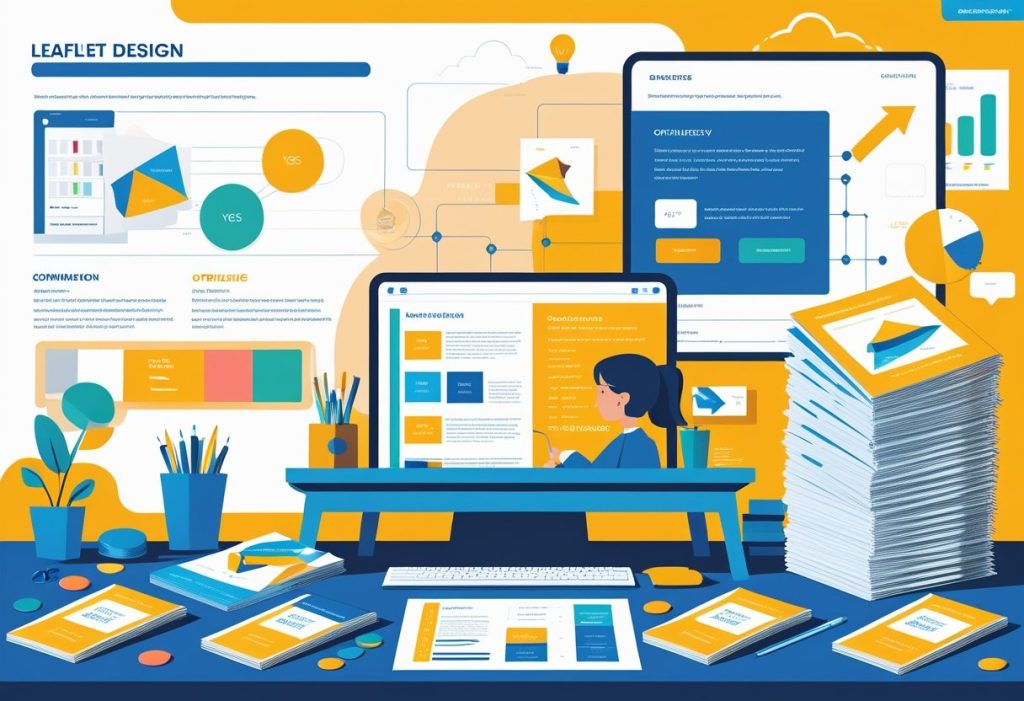
Leaflets work best when their design, content, and branding are thoughtfully planned out.
A good leaflet grabs attention, delivers a clear message, and encourages action.
Crafting Effective Leaflet Design
A successful leaflet uses a simple layout, easy-to-read fonts, and a balanced color scheme.
White space makes the important stuff pop and keeps things from looking crowded.
Clear headings and short bullet points help keep everything organized.
Images or graphics should fit the message and actually add something—don’t just toss in random stock photos.
The size and shape of the leaflet should match how and where you’ll hand it out.
Table: Key Elements in Leaflet Design
| Element | Recommendation |
|---|---|
| Font size | 12–16 pt, readable at a glance |
| Colors | No more than 2–3 main colors |
| Images | High resolution, purposeful |
| Layout | Simple, plenty of white space |
Message Clarity and Call-to-Action
The main idea should jump out right away.
Use plain language and short sentences so people don’t get lost.
Bullet points help break down anything complicated.
A clear call-to-action (CTA) tells people what to do next—like “Call now,” “Visit the website,” or “Bring this leaflet for 10% off.”
The CTA should be easy to spot, usually near the bottom or in a box that stands out.
Don’t forget contact info, whether it’s a phone number, website, address, or QR code—make it simple for folks to take the next step.
Personalization and Branding
Personalizing a leaflet really boosts its impact. Just adding the recipient’s name or mentioning a local event can make the message feel more relevant.
Brand awareness grows when you use logos, brand colors, and slogans consistently. Every leaflet should match your other marketing stuff so people recognize you right away.
Include your social media handles or website to nudge readers toward your other channels. Consistent identity lets your leaflet back up your bigger marketing goals.
Executing Leaflet Delivery
Leaflet delivery works best when you take a few careful steps. Picking the right service, using smart marketing, and timing it right all matter.
Leaflet Delivery Services
Lots of businesses go with professional leaflet distribution services to save time and reach more people. These companies offer options like shared, solus, or hand-to-hand delivery.
Shared means your flyer goes out with others, while solus means only yours is delivered—solus usually costs more but can get better results.
When choosing a service, check for reliability and delivery tracking. Some companies use delivery verification so you can see where your leaflets went, which is honestly pretty reassuring.
Read reviews and ask for proof of delivery, like maps or reports. Many companies also give tips on the best routes and target neighborhoods, which can help you avoid wasting money.
Door Drop Marketing Best Practices
Door drop marketing shines when you stick to a few best practices. Make your flyer look good, use clear text, and add a strong call to action.
Consider adding discount codes or limited-time offers. Keeping your message focused makes it easier for people to get the point.
Pick the right size—too big and it gets ignored, too small and it disappears. Use local images and content that feels personal.
Target specific neighborhoods and keep records of where you deliver. Checking past results helps you tweak and improve future campaigns.
Timing and Scheduling
Timing really matters in leaflet distribution. Deliver right before weekends or at the start of the month to catch people at home and maybe with extra cash.
For some products, early mornings or evenings work better. Avoid holidays unless you’ve got a holiday offer—otherwise, people might just toss it.
Bad weather means fewer folks check their mail, so keep an eye on the forecast. Spread out your delivery so you don’t overwhelm any area.
Here’s a quick table of timing tips for flyer delivery:
| Timing Factor | Recommended Action |
|---|---|
| Day of the Week | Thursdays or Fridays |
| Time of Day | Morning (7–9 AM) or Evening (5–8 PM) |
| Season or Holiday | 2–3 weeks before special events |
| Weather | Avoid rainy or stormy days |
Demographic Targeting Strategies
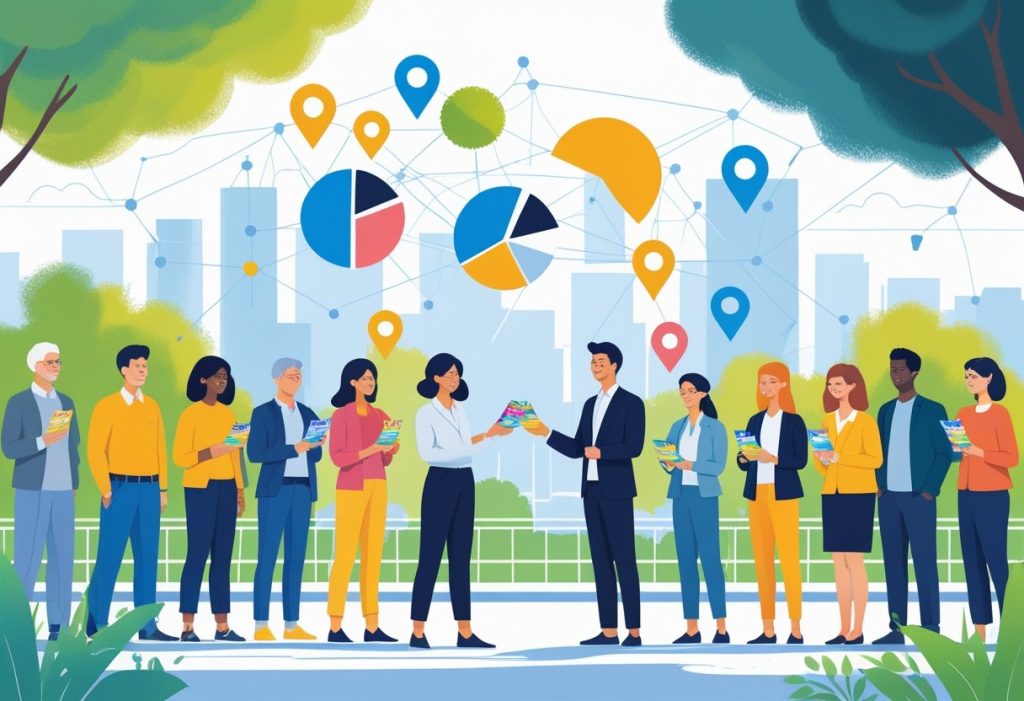
Leaflet distribution works best when you know your audience and reach them where they’ll notice. Demographic targeting helps connect with the right people and improves campaign results.
Understanding Audience Demographics
Demographic targeting looks at traits like age, gender, income, and education level. Marketers use this info to decide what message or offer fits each group.
If you’re advertising children’s toys, for example, you’ll get better results in homes with young kids. You can gather demographic data from census studies, purchase history, and web visits.
Knowing who already responds to your campaigns lets you avoid wasting materials. A clear target audience helps you create personal, relevant content that gets noticed.
Geographical Segmentation
Geographical segmentation means sending leaflets to specific areas where your audience lives or works. Marketers use postal codes, neighborhoods, and city districts to narrow things down.
If you’re a local business, focus on areas within a short drive. Mapping customer segments by location makes distribution more efficient and saves money.
Here’s a table to organize your geographical targeting:
| Area Type | Example Use |
|---|---|
| Residential Neigh. | Family offers |
| Business Districts | Office supplies |
| Campus Zones | Student discounts |
This way, you get your message in front of people where they already spend time.
Behavioral Segmentation
Behavioral segmentation studies things like purchase habits, web visits, and event attendance. Companies look for signals about what catches people’s interest or prompts them to act.
For instance, you might send discounts to shoppers who browse your website but haven’t bought yet. Behavioral data helps you focus on people most likely to engage.
If you’re targeting loyal customers, highlight a rewards program. For new leads, maybe go with a limited-time offer. By paying attention to what people do—not just who they are—you can make your leaflet campaigns way more effective and relevant.
Measuring Leaflet Distribution Success
Measuring leaflet success takes a clear approach. Tracking systems and data analysis let you see what’s working and where you can improve.
Tracking Response Rates
Response rates show how many people take action after getting your leaflet. Common methods include unique promo codes, special phone numbers, or custom website URLs.
These tools let you see exactly how many folks call, visit, or buy. Some businesses use a small form or QR code for quick tracking.
You can count responses daily, weekly, or monthly to spot trends. Here’s a simple table for tracking:
| Method Used | Responses Tracked | Time Frame |
|---|---|---|
| Promo Code | 45 | 1 week |
| Website Visit | 98 | 1 week |
| Phone Enquiries | 20 | 1 week |
This data helps you compare which leaflets or regions perform best.
Utilizing delivery verification Tracking
delivery verification helps you check where and when leaflets get delivered. Workers carry mobile devices or use apps that record their route.
This proves all areas got covered and builds trust with clients. With delivery data, you can spot any missed streets or neighborhoods.
You can also compare delivery routes with response rates to see what works. For big drops, delivery verification ensures leaflets aren’t skipped or dumped. The info can be shared with customers or management for review.
Analyzing ROI and Measurable Results
Analyzing ROI means looking at your costs versus your gains from leaflet delivery. Compare the cost of printing and delivery with the profit or leads you get.
Measurable results could be more sales, website visits, or appointments. ROI Formula:
ROI = (Profit from Campaign – Cost of Campaign) ÷ Cost of Campaign × 100%
Strong ROI means your campaign worked. If ROI is low, maybe your design, message, or delivery area needs a rethink. Regular analysis helps you tweak and save money next time.
Frequently Asked Questions
Leaflet distribution takes planning, targeting, and thinking about costs. Plenty of people look for reliable jobs or just want to get the most out of their campaigns.
What are effective strategies for leaflet distribution?
Target high-traffic spots like shopping centers and busy streets. Deliver during peak times, like weekends, to get more eyes on your flyer.
Keep track of which areas respond best so you can adjust your next campaign.
How can I locate leaflet distribution services in my area?
Search online for local delivery companies—there’s usually a few in every city. Read customer reviews to see if a company’s actually reliable.
What job opportunities are available in leaflet distribution?
Jobs include leaflet deliverers and supervisors who manage routes. Some companies also hire campaign planners or customer service folks.
Many roles are part-time, so they’re popular with students and people who need flexible work.
What methods increase the speed of leaflet delivery?
Use a mapped route to avoid doubling back. Delivering in teams can double or triple your speed.
Bikes or small vehicles help cover bigger neighborhoods fast.
What is the average compensation for delivering leaflets?
Leaflet delivery workers usually earn hourly wages or get paid per item. Pay ranges from minimum wage up to about $15 per hour in most places.
Rates can change based on distance, how much you deliver, and local demand.
What are cost-efficient techniques for distributing a large number of leaflets?
Bundling deliveries to nearby areas can really lower transportation costs. Printing in bulk usually drops the price per leaflet, too.
If you can get local volunteers or community groups involved, that helps cut expenses even more. This approach works especially well for small businesses or organizations that don’t have a lot to spend.